Special Processes in Packaging Boxes
In the highly competitive world of product marketing, packaging serves as a powerful tool that can make or break a product's success. It's not merely a container; rather, it's the face of the product, the first thing consumers notice when they encounter it on the shelves. A well - designed package can attract consumers, communicate product features, and even evoke emotions, playing a crucial role in influencing purchasing decisions.
As consumer demands become more diverse and sophisticated, the need for unique and eye - catching packaging has grown exponentially. This is where special packaging processes come into play. Special processes for packaging boxes can transform an ordinary box into a work of art, adding value to the product inside. They can create a distinct brand identity, enhance product protection, and provide a memorable unboxing experience. In this article, we will delve into the fascinating world of special packaging processes, exploring their types, applications, and how they can give your product a competitive edge in the market.
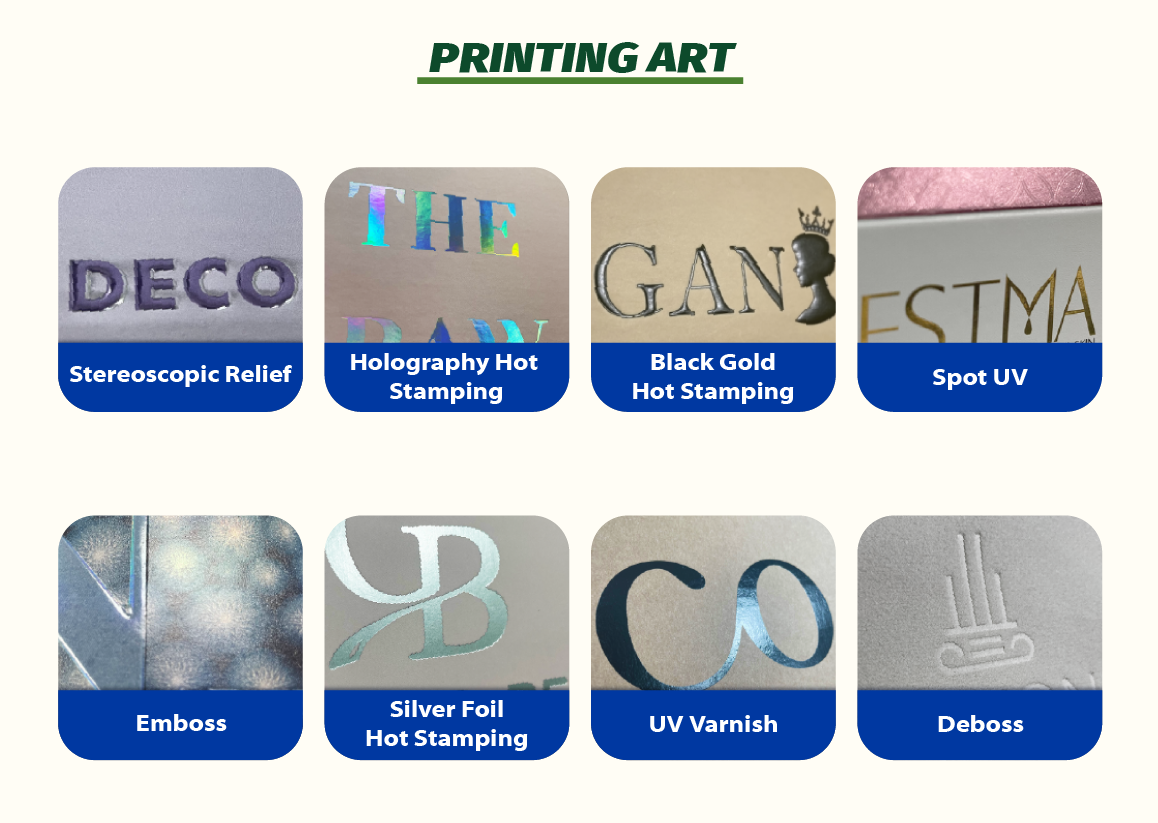
Common Special Processes for Packaging Boxes
1. Embossing and Debossing
Embossing and debossing are two techniques that add a three - dimensional element to packaging boxes. Embossing involves raising a design or pattern on the surface of the box. This is achieved by using a die to press the material from the backside, causing the front side to bulge outwards, creating a raised, tactile design. Debossing, on the other hand, is the opposite. It creates a recessed or indented design by pressing the die onto the front of the material.
These techniques are often used in high - end packaging, such as for luxury cosmetics or high - end fashion products. For example, a luxury perfume box might have the brand logo embossed on the lid. The raised logo not only looks elegant but also feels premium when touched, enhancing the overall brand experience. In the case of a high - end leather goods packaging, debossing the brand name into the cardboard gives a sense of understated luxury, adding a touch of sophistication that aligns with the brand's image.
2. Foil Stamping
Foil stamping, also known as hot stamping, is a process that uses heat and pressure to transfer a thin layer of metal foil (such as gold, silver, or other metallic colors) onto the surface of a packaging box. The process begins with a heated die, which is pressed onto the foil and the substrate (the box material). The heat activates the adhesive on the back of the foil, causing it to bond with the substrate in the shape of the die.
This technique is widely used in various industries. In the electronics industry, for example, a smartphone box often has the brand name and logo foil - stamped in silver or gold. The shiny metallic finish catches the eye and gives the product an air of quality and modernity. In the tobacco and alcohol industries, foil stamping is used to enhance the brand's identity. A high - end wine bottle box might have intricate patterns and the winery's name foil - stamped in gold, making it stand out on the shelves and communicate the product's premium nature.
3. Matte and Gloss Lamination
Matte and gloss lamination are two ways to finish the surface of a packaging box, each offering a distinct look and feel. Gloss lamination involves applying a clear, shiny film to the box's surface. This gives the box a high - shine, reflective finish that makes colors appear more vibrant and vivid. It can make a product look eye - catching and luxurious, which is why it's often used for products like high - end chocolates or jewelry boxes.
Matte lamination, on the other hand, applies a non - reflective, dull - finish film. It gives the box a more subdued, elegant look, with a smooth and velvety texture. Matte lamination is popular for products that aim to convey a sense of sophistication and quality, such as high - end books or artisanal gift boxes. For instance, a box for a limited - edition art book might have a matte lamination to give it a refined, understated look that complements the artistic content inside.
4. Spot UV
Spot UV is a special printing process that applies a layer of ultraviolet (UV) varnish to specific areas of a packaging box. The UV varnish is cured under UV light, creating a raised, glossy finish on the treated areas while the rest of the box remains in its original state (matte or glossy). This contrast between the UV - treated and untreated areas helps to highlight important elements such as logos, product images, or key text.
In the food industry, spot UV is often used on snack food packages. For example, a potato chip bag might have the brand logo and some mouth - watering images of chips treated with spot UV. The shiny, raised effect makes these elements pop, attracting consumers' attention. In the 文创 product market, a notebook cover might use spot UV on the title and some decorative elements. The added gloss and texture not only make the design more visually appealing but also add a sense of uniqueness and quality.
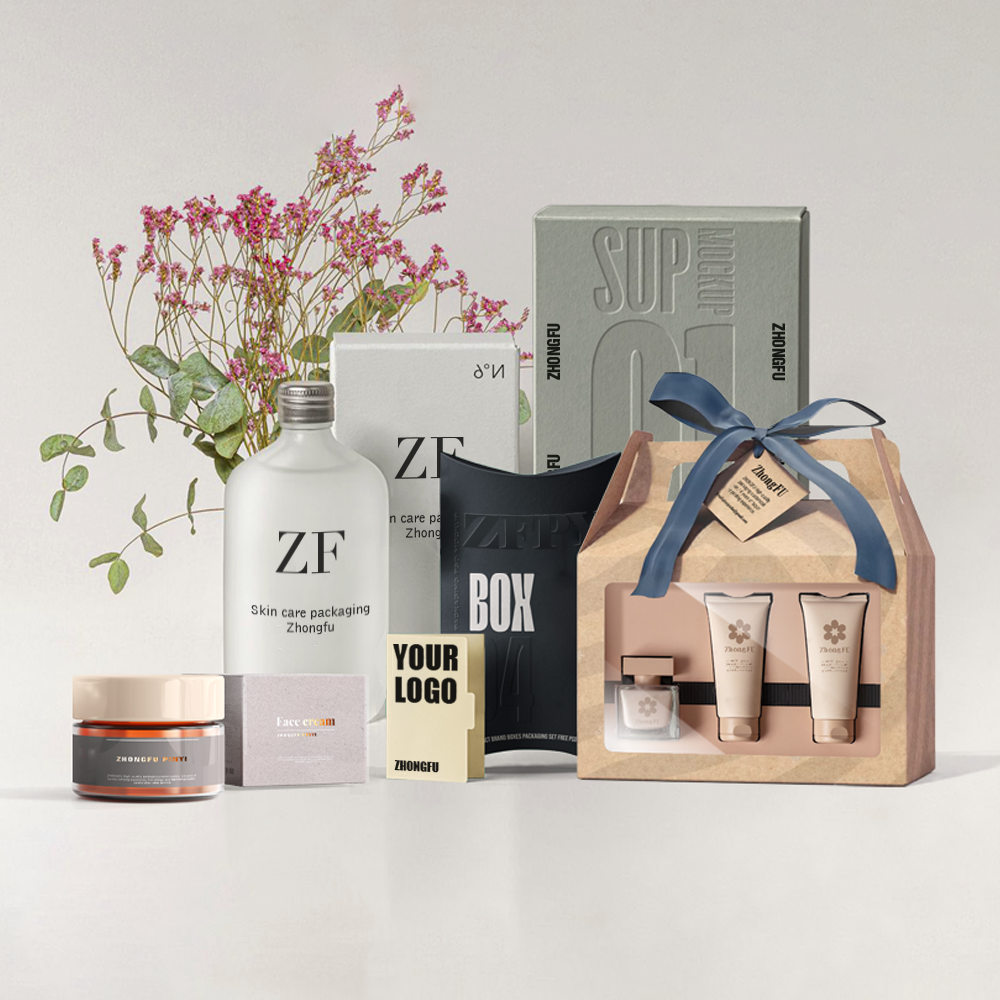
Applications of Special Processes in Packaging Boxes
1. In the Food Industry
In the food industry, special packaging processes play a crucial role in both preserving the product and attracting consumers. Take chocolate packaging, for example. Many high - end chocolate brands use embossing and debossing techniques on their boxes. The raised or indented patterns, such as intricate floral designs or the brand's logo, not only add an element of luxury but also create a tactile experience for the consumer. This makes the product more appealing and can justify a higher price point.
For freshness - sensitive products like high - end tea, matte or gloss lamination can be a game - changer. Gloss lamination gives the tea box a shiny, eye - catching finish, while also providing a layer of protection against moisture and oxidation. Matte lamination, on the other hand, offers a more sophisticated look and can also help to prevent the tea from absorbing odors. Additionally, spot UV can be used to highlight important product information, such as the tea's origin, type, or unique selling points, making it stand out on the shelf.
2. In the Cosmetics and Beauty Sector
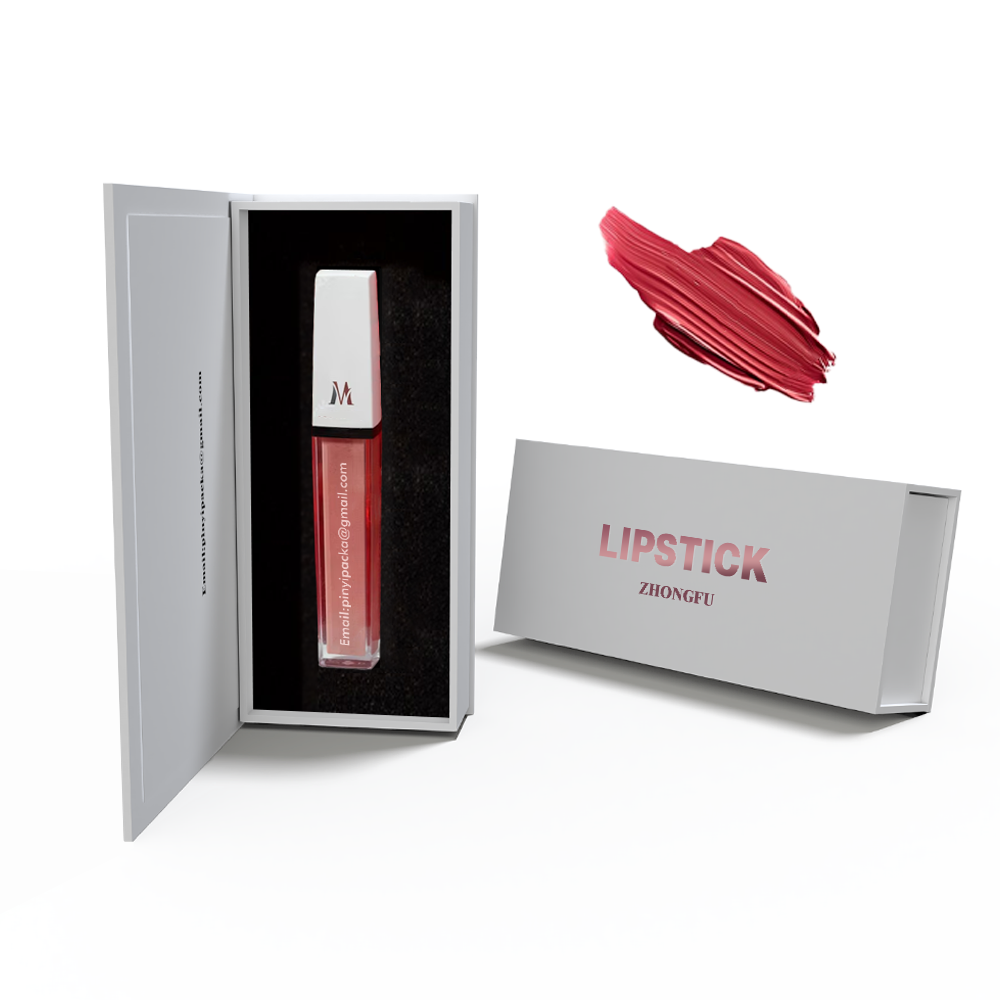
In the highly competitive cosmetics and beauty industry, special packaging processes are essential for brand differentiation and enhancing the product's perceived value. Consider lipstick packaging. Many luxury lipstick brands use foil stamping to add a touch of glamour. The brand name or logo in gold or silver foil on the lipstick tube immediately conveys a sense of luxury and quality. Embossing can also be used to create a raised texture on the tube, making it more comfortable to hold and adding an element of uniqueness.
For perfume packaging, the use of special processes is even more pronounced. A perfume box often serves as a mini - billboard for the brand. High - end perfume brands like Chanel use a combination of embossing, foil stamping, and high - quality materials. The iconic double - C logo on a Chanel perfume box is often embossed and foil - stamped in gold, creating a luxurious and recognizable design. The use of spot UV can also be used to highlight the perfume's name or a beautiful floral illustration on the box, adding a sense of elegance and making it more visually appealing. These special processes help to create a strong brand image and justify the higher price of luxury beauty products.
3. In the Electronics Field
In the electronics industry, special packaging processes are used to convey a sense of innovation, quality, and technological superiority. When it comes to a new smartphone launch, the packaging is designed to make a statement. The box often features a sleek, minimalistic design with the brand name and logo prominently displayed using foil stamping. The shiny metallic finish gives the impression of a high - tech, modern product.
For earphones, the packaging also plays an important role. A high - end pair of wireless earphones might come in a box with a matte lamination, which gives it a premium, understated look. Embossing can be used to create a textured surface on the box, adding a touch of sophistication. Some earphone boxes also use spot UV to highlight features such as the earphones' noise - cancellation capabilities or long - battery life, making these selling points more visible to the consumer. These special packaging processes not only protect the delicate electronics inside but also enhance the overall brand experience, making the product more desirable to consumers.
The Impact of Special Processes on Packaging Box Design
Special processes have a profound impact on packaging box design, far beyond just adding aesthetic appeal. They are integral to shaping the overall style and enabling creative expression, while also being closely tied to brand positioning and product characteristics.
Shaping the Design Style
Special processes can completely transform the visual and tactile feel of a packaging box, thereby determining its design style. For instance, embossing and debossing create a three - dimensional texture. When used in a rustic - themed product packaging, such as artisanal honey, the embossed honeycomb pattern on the box can enhance the natural, hand - crafted style, making consumers feel the authenticity of the product. On the other hand, foil stamping, with its shiny metallic finish, is often associated with luxury and modernity. A high - end watch brand might use gold foil stamping on its packaging box to convey a sense of opulence and sophistication, fitting perfectly into the luxury goods design style.
Matte and gloss lamination also play a significant role in style determination. Gloss lamination gives a box a sleek, eye - catching look, suitable for products targeting a young, trendy market, like energy drinks or fashion accessories. Matte lamination, in contrast, imparts a more understated, classic style, which is ideal for products that want to project a sense of timelessness, such as high - end writing instruments.
Enabling Creative Expression
These special processes open up a world of creative possibilities for designers. Spot UV, for example, allows designers to highlight specific elements on the packaging box. A children's book - themed packaging might use spot UV on the illustrations of fairytale characters, making them stand out vividly against the matte background of the box. This not only adds a touch of magic but also showcases the creativity of the design, engaging young readers.
Foil stamping can be combined with intricate die - cut designs to create a unique and artistic packaging. A limited - edition art print packaging could feature a foil - stamped frame around a die - cut window that reveals a part of the print inside. This creative use of special processes not only protects the art print but also turns the packaging into a work of art itself, inviting consumers to explore the product inside.
Linking to Brand Positioning and Product Characteristics
The choice of special processes should always align with the brand's positioning and the characteristics of the product. A brand that positions itself as eco - friendly and sustainable might choose to use recycled paper along with water - based inks for its packaging, and opt for simple, understated debossing instead of flashy foil stamping. This choice reflects the brand's values and appeals to environmentally conscious consumers.
For a high - tech product, such as a new tablet, the packaging design might incorporate a combination of sleek, minimalistic lines with silver foil stamping to convey a sense of innovation and modernity. The use of spot UV on the technical specifications area of the box can also draw attention to the product's advanced features, highlighting its technological superiority. In the case of a food product with a unique flavor profile, like a spicy hot sauce, the packaging could use bold colors and embossed heat - wave patterns to visually represent the spiciness, while foil stamping on the brand logo can add a touch of quality, making it clear that it's a premium product.
In conclusion, the world of special packaging processes is rich and diverse, offering a wide range of techniques that can significantly enhance the appearance, functionality, and perceived value of packaging boxes. From embossing and debossing that add a tactile and three - dimensional element, to foil stamping which imparts a touch of luxury with its metallic sheen, and matte/gloss lamination and spot UV that create unique visual and textural effects, each process has its own unique charm and application scenarios.
These special processes are not just about aesthetics; they play a crucial role in various industries. In the food industry, they can preserve products and attract consumers; in the cosmetics and beauty sector, they are essential for brand differentiation; and in the electronics field, they help to convey a sense of innovation and quality. They also have a profound impact on packaging box design, shaping the style, enabling creative expression, and aligning with brand positioning and product characteristics.
As consumers continue to seek unique and memorable experiences, the importance of special packaging processes will only grow. We encourage designers, brands, and manufacturers to explore and innovatively apply these special processes in their packaging designs. By doing so, they can create packaging that not only stands out on the shelves but also leaves a lasting impression on consumers, ultimately contributing to the success of their products in the highly competitive market.