Gang Run Printing vs. Dedicated Printing: Which Should You Choose?
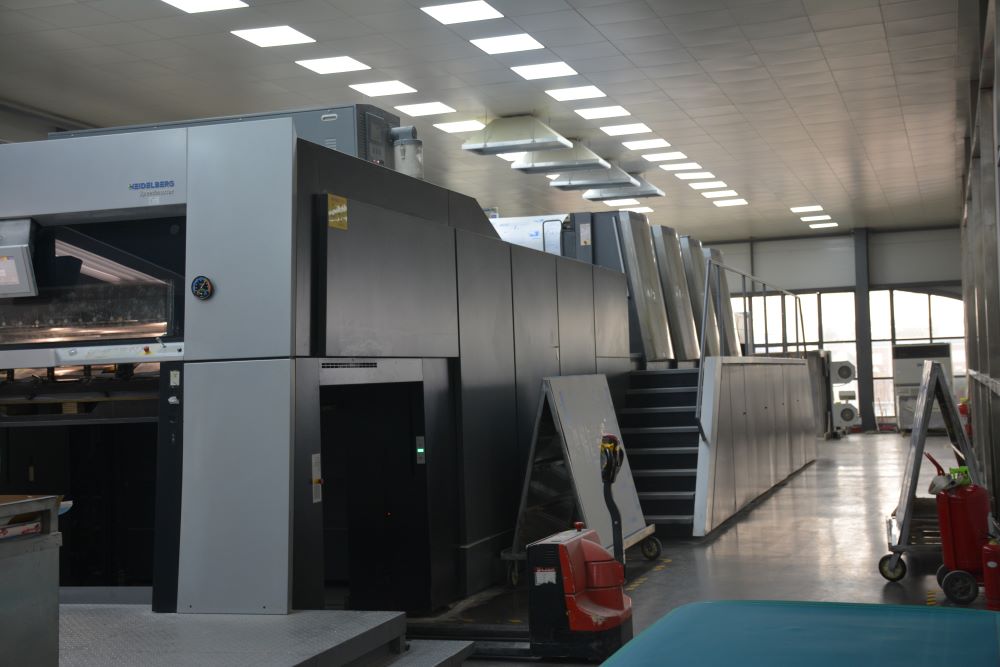
Before you send a job to press, you have to decide between gang run printing and dedicated printing. The two work in very different ways, and the right pick depends on three things: what you're printing, how many you need, and how strictly you control color.
What Is the Difference?
Dedicated printing gives one client's job its own exclusive plate. Nothing is shared, so the printed piece is wholly unique to you. Gang run printing is built for short runs on standard paper stocks: your files are combined with other clients' jobs on a shared plate, provided they meet the printer's specifications.
One truth holds across both methods: you are trading cost against control.
Dedicated Printing: Built for Color Accuracy
Dedicated printing puts quality first. Because your job runs on its own plate, you can specify Pantone and special colors, specialty paper stocks, and non-standard sizes without compromise. File requirements are also far more flexible than gang printing allows.
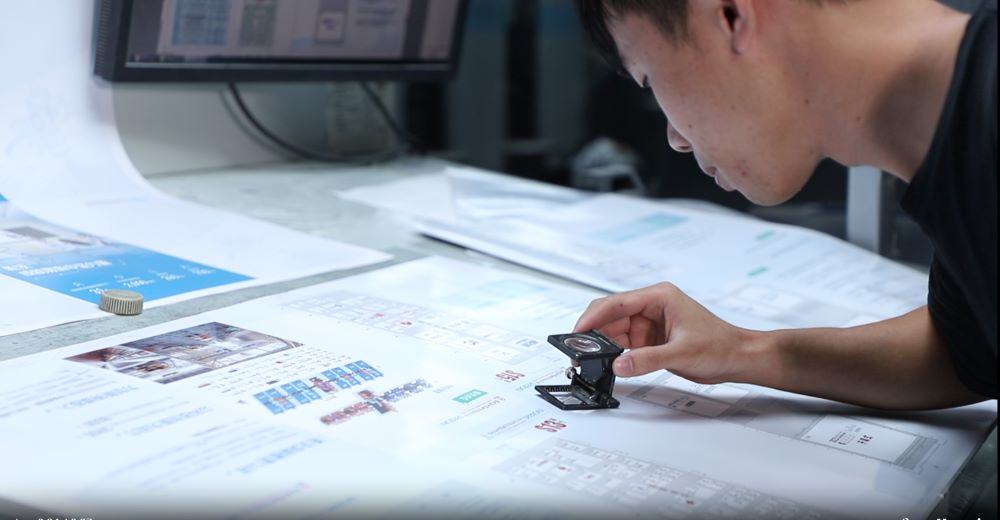
Before production, the printer normally supplies a proof, so you can approve the color before anything is printed. You can also be at the press during the run to watch color as it develops.
The trade-off is cost. An exclusive plate carries a fixed plate fee that the job must absorb. That fee is fixed, though, so it gets spread thinner as volume grows: the more you print, the lower the unit price. Designers and brands with tight color standards frequently choose dedicated printing even at small quantities, because the plate is the cheapest part of getting the color right.
There's another cost factor that rarely gets mentioned: make-ready waste. Bringing color to the client's target and holding the ink steady consumes a significant amount of paper before the sellable run even starts. That is a large part of why dedicated printing is more expensive.
Gang Run Printing: The Economical Option
Gang run printing spreads cost across everyone on the plate. Your artwork shares a sheet with other clients' files, so the plate fee is split — which is what makes short-run printing viable at all.
To work, this model depends on standardization. Printers publish fixed specifications and optimal quantities for common products: business cards, flyers, posters, greeting cards, stickers. Every square inch of the sheet has to be filled, or the economics fall apart. If your size or shape doesn't match a die the printer already stocks, you'll need a dedicated plate — which puts you back in the other category.
The compromise is color. Because each job sits in a different position on the sheet, ink density varies across the layout. Press operators therefore set color against an average tone across the whole sheet, so a variance of roughly 10% from edge to edge is treated as normal. Reprinting the same design later can also shift color, depending on the press, the ink, and the operator's settings.
Side-by-Side Comparison
表格
| Gang run printing | Dedicated printing | |
|---|---|---|
| Plate | Shared with other clients | Exclusive to your job |
| Best for | Small quantities | Large quantities or premium work |
| Color accuracy | ±10% variance acceptable | Proofed and press-checked |
| Special colors / papers | Standard stock only | Pantone, specialty stock, custom sizes |
| Cost behavior | Low entry cost, flat unit price | High fixed plate fee, unit price drops with volume |
How to Choose
How tight is your color tolerance? If exact color matters, go dedicated. If a 10% shift is fine, gang printing works.
Is it a standard product? Standard sizes and stocks in small runs suit gang printing. Custom dies, specialty paper, and spot colors require a dedicated plate.
What's your quantity? Once volume is high enough to absorb the plate fee, dedicated printing stops being the expensive option and becomes the better value.
Frequently Asked Questions
Is gang run printing lower quality?No. The press and paper can be identical. What differs is color predictability: shared plates make about 10% edge-to-edge variance normal, and that variance can't be eliminated.
Why does color shift between two gang run printings of the same file? Each run is re-plated alongside different jobs, and the ink is set against the average tone of that particular sheet. Press, ink batch, and operator settings all add to the difference.
Can I use Pantone or specialty paper in gang run printing? Generally not. Those require their own plate, which moves the job into dedicated printing.
When does dedicated printing become cheaper? As quantity rises. The plate fee is fixed, so at higher volumes the per-unit cost falls below gang printing's — typically the crossover point is where the plate cost is no longer high per piece.